
Bowling Green, KY
Tree Removal in Bowling Green, KY
Bowling Green Tree Works removes trees in Bowling Green, KY, from a single dead maple near the driveway to a row of declining ash along a back line.
- Written quotes with one price for the work, the cleanup and the hauling
- Kentucky 811 locates before stump grinding or tree planting
- Planned around local karst, deep clay and shallow rock
- Public tree approvals and 15-foot street clearance checked on the visit
Get a Tree Removal Quote
Call (270) 936-1600Tree Removal Work We Quote
Bowling Green Tree Works quotes tree removal in Bowling Green, KY and across Warren County, and in surrounding cities including Franklin, Glasgow, Russellville and Portland, Tennessee. We also bid work in smaller nearby towns including Plum Springs, Woodburn, Oakland, Smiths Grove, Auburn, Brownsville, Scottsville, Morgantown and Park City.
Tree removal is one of the most common reasons people in Bowling Green call, and the reasons behind it are usually the same handful: a tree that died, a tree that is leaning toward the house, a tree that outgrew the yard, or a tree in the way of an addition, a pool or a driveway. We look at the tree, the target under it and the ground it stands in before we price anything, and we tell you plainly when pruning would do the job instead.
Dead Tree Removal
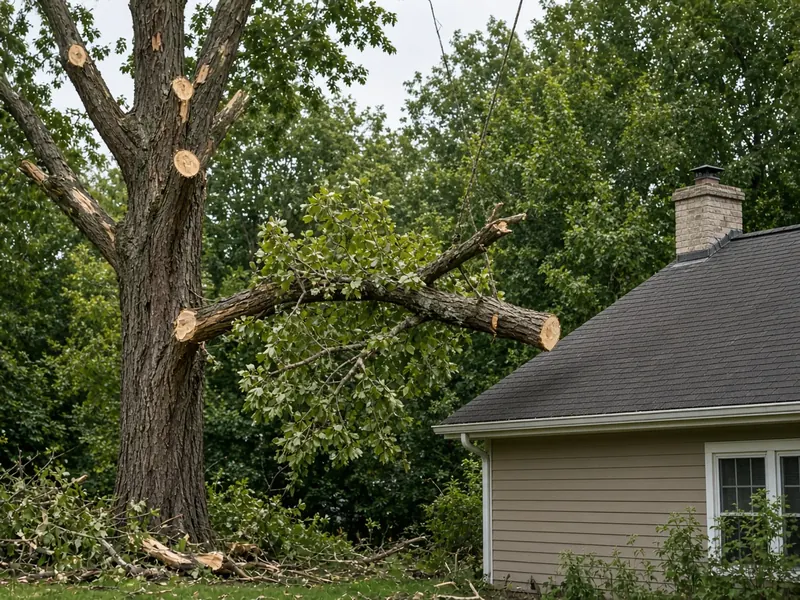
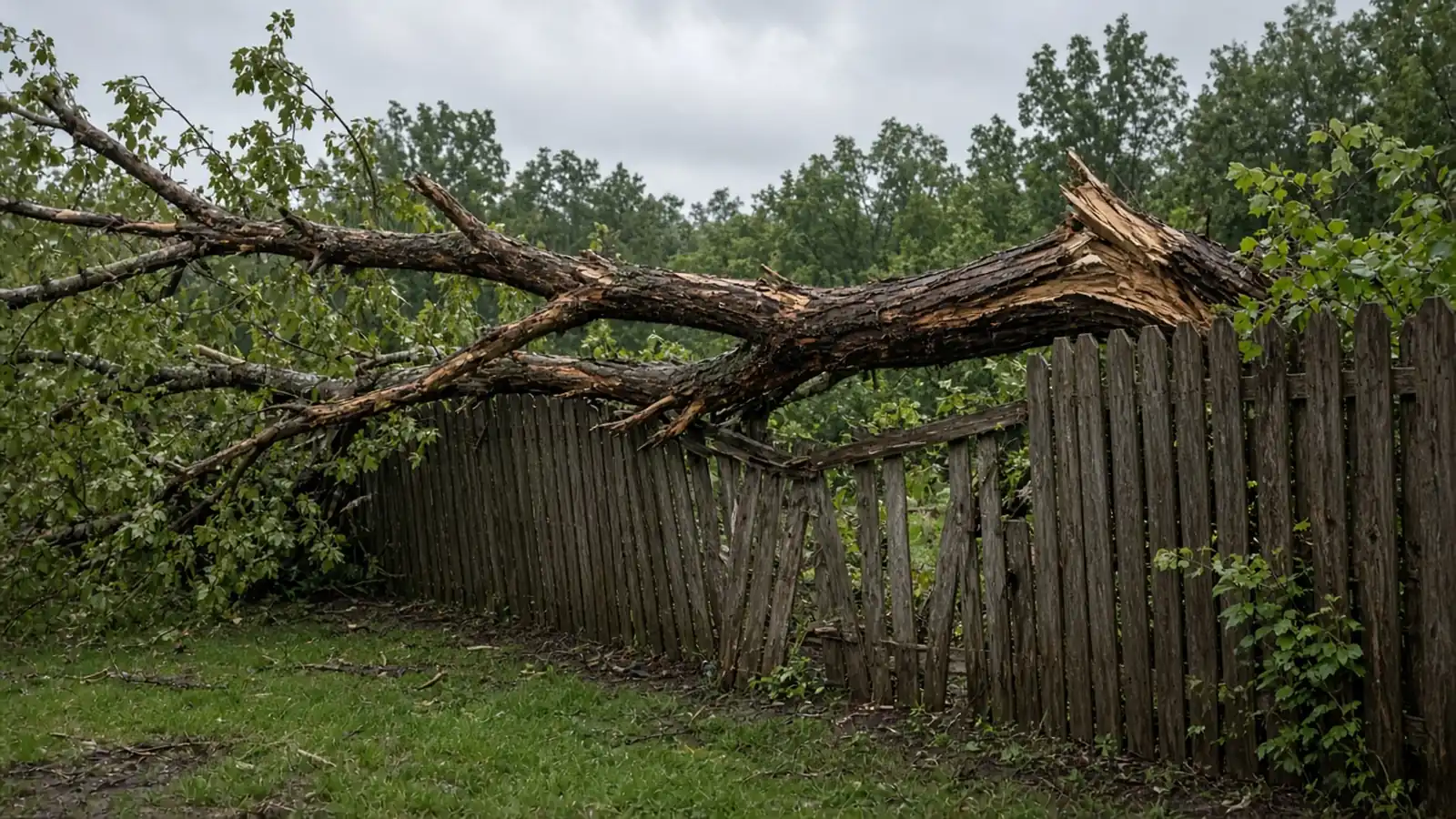
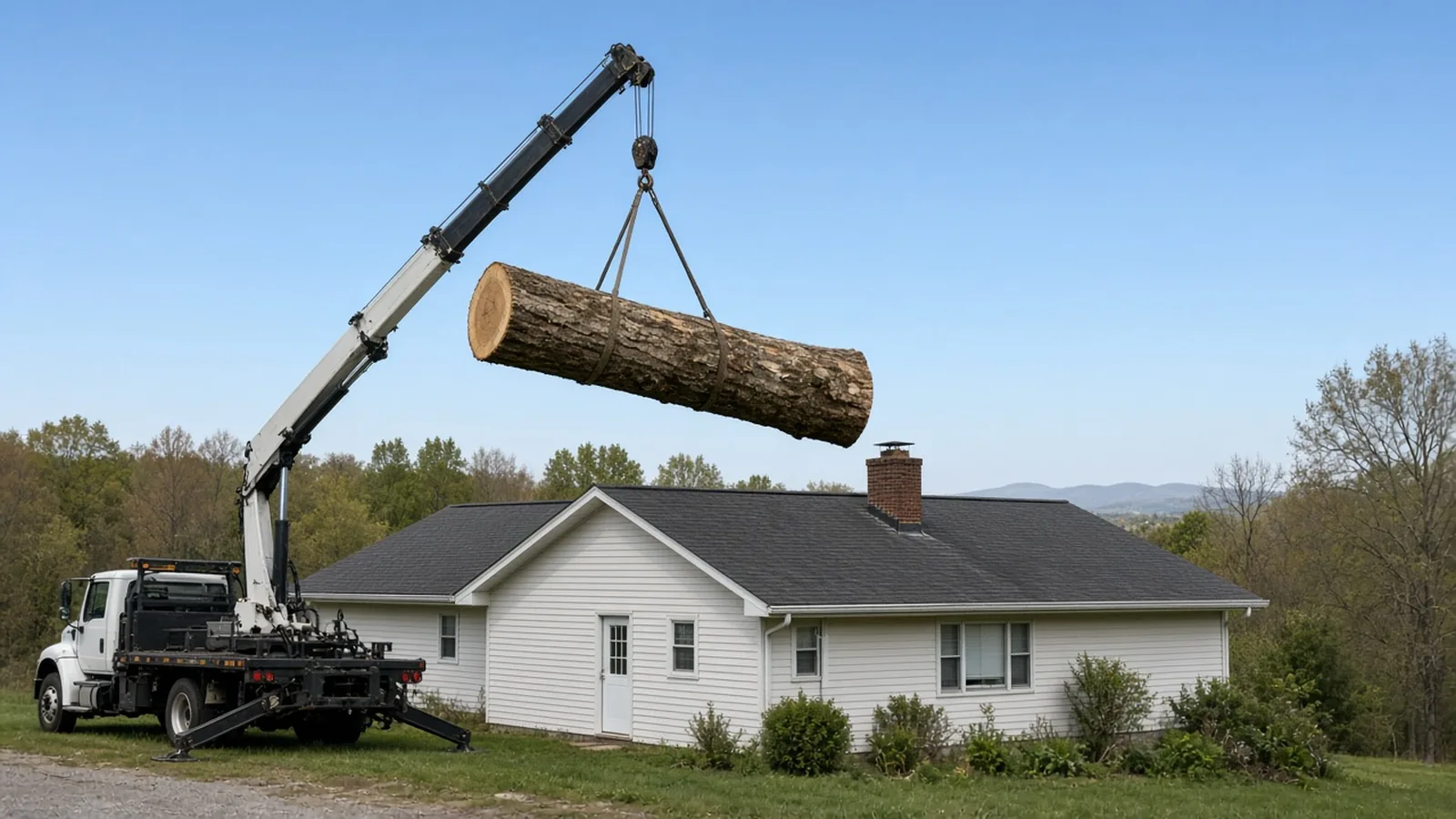
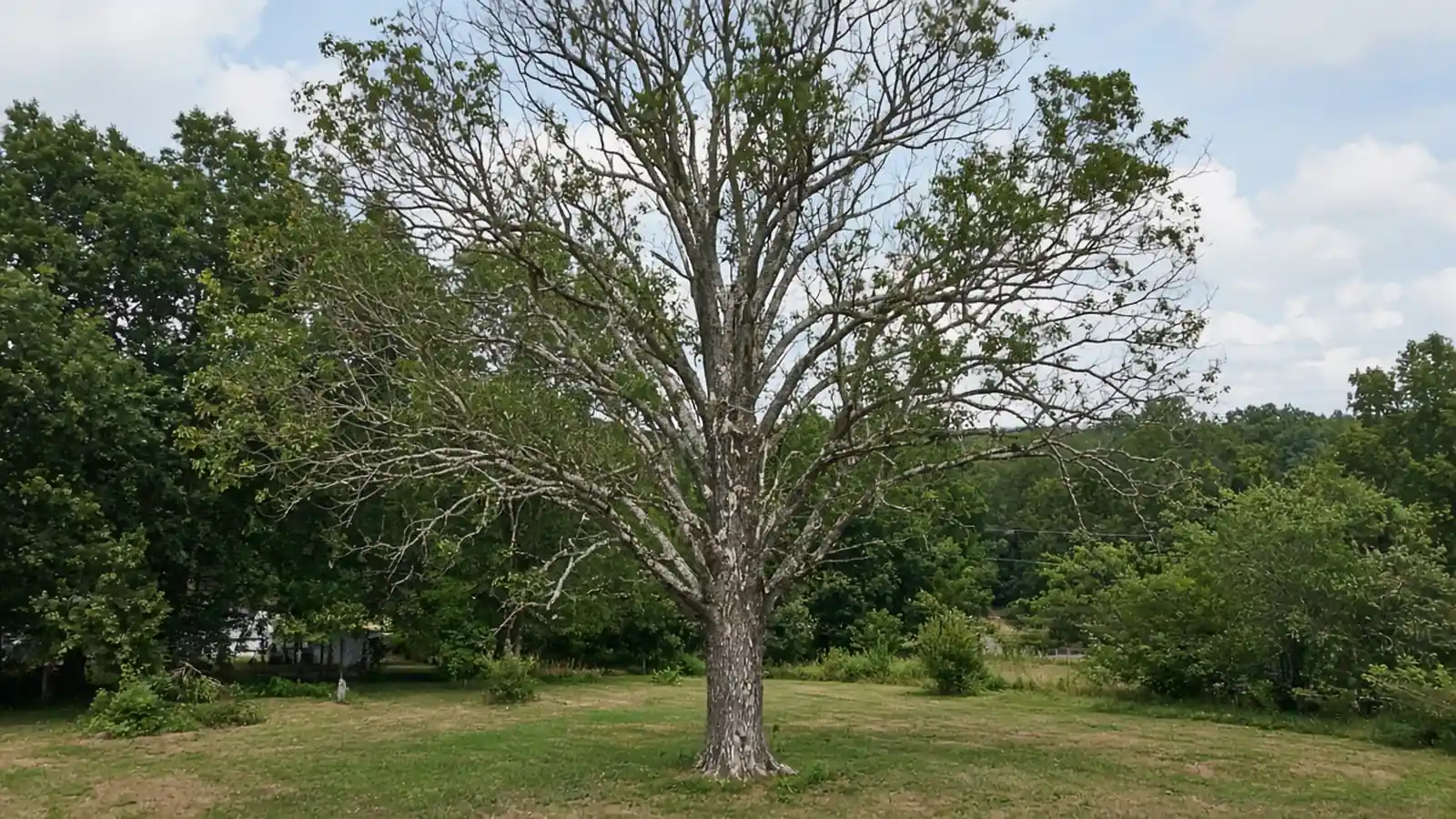
A dead tree does not get safer with time. Wood dries, checks and loses strength, and a standing dead ash, oak or maple in a yard can drop large limbs without wind. We remove dead trees in sections when there is a house, fence, car or line underneath, and we fell them whole only when there is room for the full length on open ground. If the tree is dead because of emerald ash borer, the ash tree removal page covers that work in more detail.
Hazardous and Leaning Tree Removal
A lean is not automatically a hazard. A tree that grew toward light for forty years can be stable, and a tree that started leaning after a wet week with soil lifting on the back side is a different job. We check the root plate, the trunk for cavities and cracks, and what the tree would hit. When the answer is removal, we rig the pieces down rather than dropping them toward a roof.
Removal Near Houses, Fences and Lines
Most removals in town are close work: a back fence, a shed, a deck, a neighbor's garage. We take the tree down in controlled pieces with ropes and lowering devices, and we protect the lawn where the pieces land. Trees growing into BGMU or other utility lines are a separate case; we do not work inside the clearance zone of an energized line, and we tell you who to call.
Multiple Tree and Lot Removal
Several trees on one property, or a fence line of volunteer hackberry and cedar, are priced as one job with one cleanup. If the goal is clearing a buildable area, the land and lot clearing page is the better fit.
Cleanup, Wood and Haul-Off
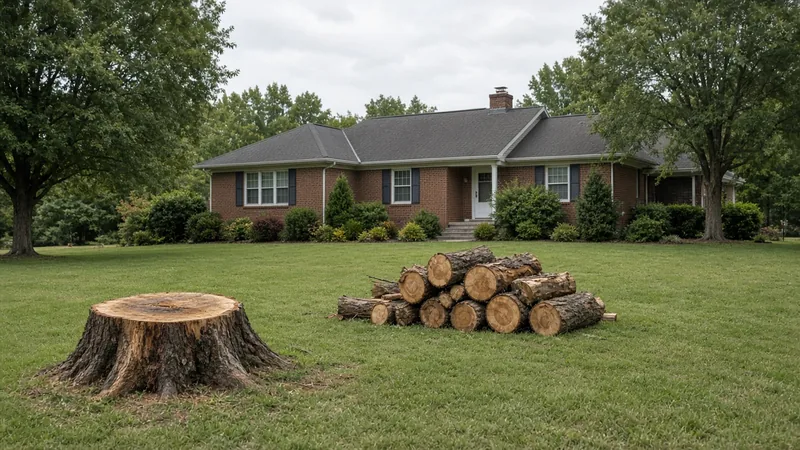
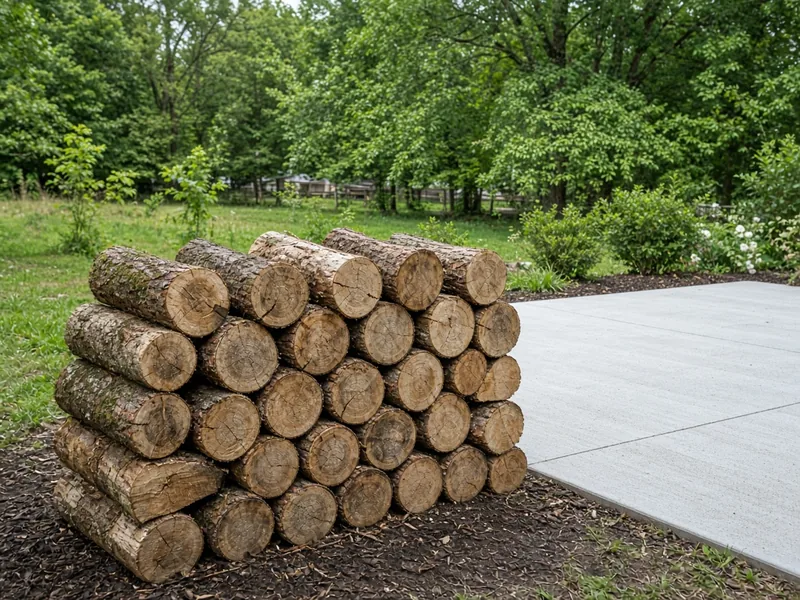
Every quote says what happens to the wood: hauled away, chipped on site, or cut to firewood length and stacked where you want it. Stump grinding is priced as its own line so you can decide on it separately.
Signs a Tree Should Come Down
Dead or Mostly Dead Crown
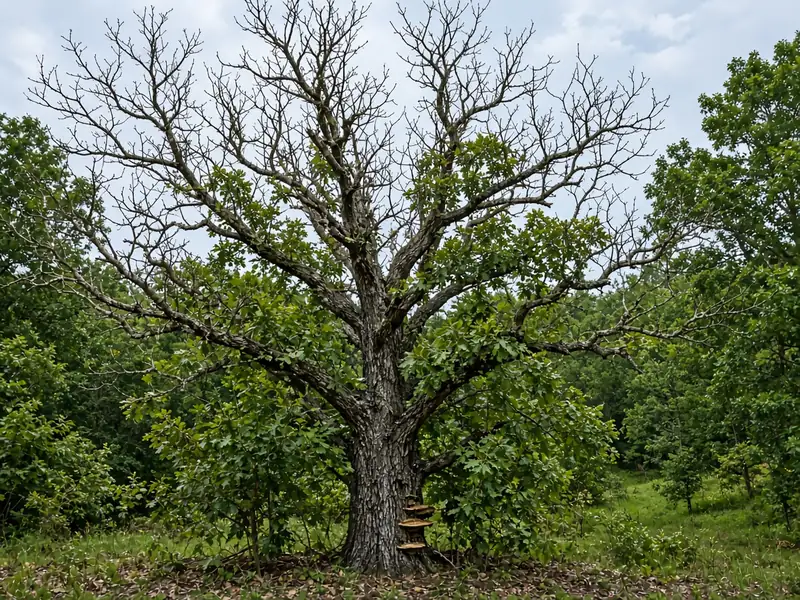
When more than half of the crown is bare in summer, or the bark is sloughing off in sheets, the tree is usually past saving. University of Kentucky guidance on ash says the same thing in its own terms: a tree with less than half of its canopy left is a better candidate for removal and replacement than for treatment.
Trunk Cavities, Fungus and Cracks
Mushrooms or conks at the base, a hollow sound, a long vertical crack, or a seam that opens and closes in wind are signs of internal decay. Some of those trees can be reduced and kept. Some cannot, especially over a house.
Root Plate Movement
Soil that heaves or cracks on the side away from the lean, roots snapping, or a tree that changed angle after a wet spell is the most urgent removal sign we see on shallow Warren County ground.
Wrong Tree, Wrong Place
A silver maple against the foundation, a pine over the septic field, or a hackberry growing into the service drop are removals of choice. If you want something in its place, the tree planting page covers replacement species the City recommends.
Removal on Warren County Ground
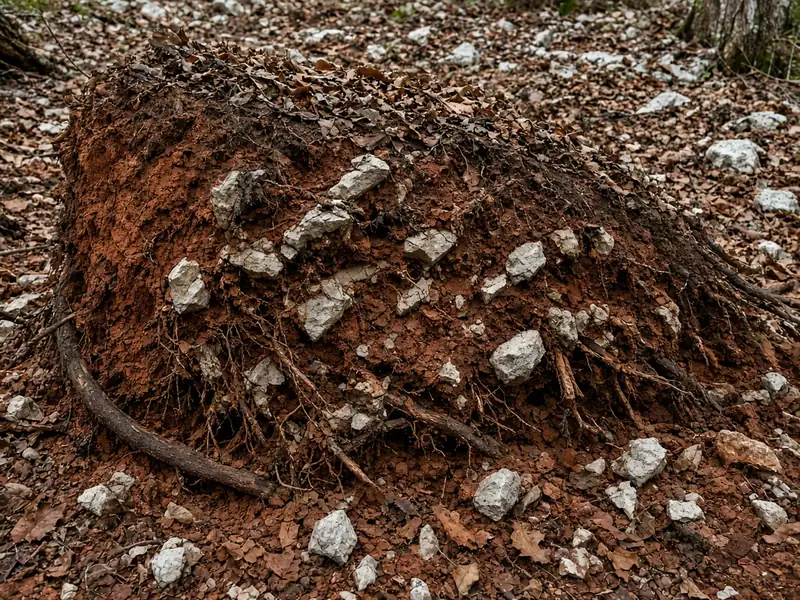
USDA soil data for Warren County is led by Baxter and Crider soils, which together cover about 129,700 of the county's roughly 350,500 mapped acres. Both are well drained, deep red Paleudalfs, and the survey reports no bedrock in the Baxter profile and bedrock near 254 centimeters (about 100 inches) under Crider. On that ground a large tree usually has a broad, well-anchored root plate. On the shallower soils in the same survey it does not: Caneyville reports bedrock at about 69 centimeters (27 inches), Frondorf at about 48 to 66 centimeters (19 to 26 inches), and Ramsey at about 48 centimeters (19 inches), with more than 11,000 acres mapped as rock outcrop. Those are the yards where a tall tree can tip at the root plate instead of breaking at a limb.
Bowling Green Warren Co Airport (NOAA station USW00093808) records 50.10 inches of precipitation in a normal year, with 13.5 days carrying an inch or more of rain. Soft, saturated ground changes how a crew sets up equipment and where a log can land without rutting the lawn, so we schedule heavy removals around wet spells when the job allows it.
Rules That Apply to a Removal
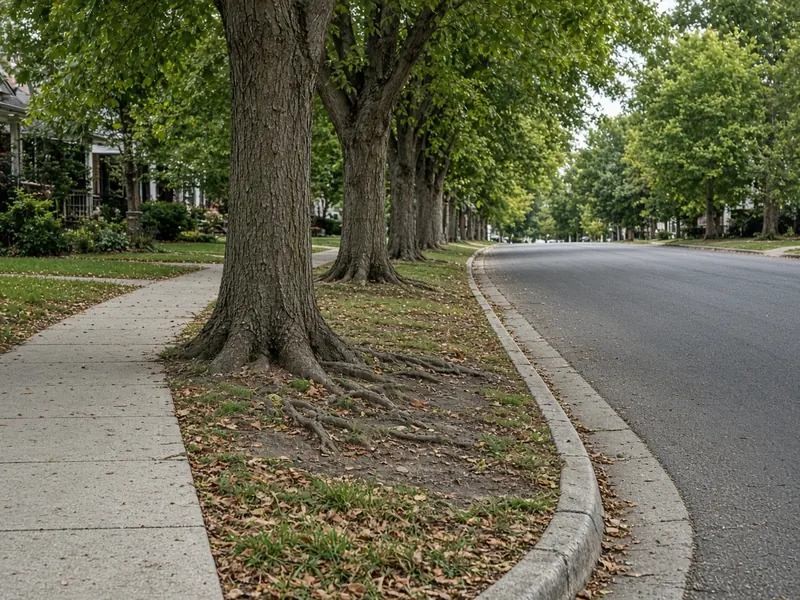
A tree on your own lot is your call. A public tree is not. The Bowling Green Code of Ordinances (Chapter XXVI) defines public trees as trees in the public right-of-way, parks, municipal cemeteries and other public places, and says no person shall remove, cut above the ground or disturb a public tree without City approval. When removal is approved, the ordinance requires the entire tree including the stump to be removed, the hole refilled with soil to ground level, and the area reseeded or replanted. The City's Tree Advisory Board posts the Request for Approval for Tree Removal form. If the tree sits between the sidewalk and the street, we check before we cut.
Section 26-9 of the same chapter says tree care and removal companies must possess and maintain current contractor and occupational licenses, and recommends a Kentucky or International Society of Arboriculture (ISA) certified arborist on staff. Stump grinding and replanting after a removal disturb the ground, and Kentucky law (KRS 367.4911) requires a locate request at least two full working days before excavation.
Tree Removal Price Ranges
For a national planning range, Angi's 2026 tree removal guide (updated October 22, 2026) puts the average at $750, with most homeowners paying $200 to $2,000. The same guide lists $150 to $450 for trees up to 30 feet, $450 to $1,200 for 30 to 60 feet, $800 to $1,500 for 60 to 80 feet, and $1,000 to $2,000 over 80 feet, and notes that tight or hazardous access often adds 25 to 50 percent. Large trees near power lines can run far higher. These are national figures, not a Bowling Green price list. Your written quote is the price for the tree we looked at.
Related Services
If this is only part of the job, these pages go deeper on the related work: Stump Grinding · Emergency Tree Removal · Crane Tree Removal · Ash Tree Removal and EAB. The full service list and the quote form are on the Bowling Green Tree Works homepage.
Request a Tree Removal Quote in Bowling Green
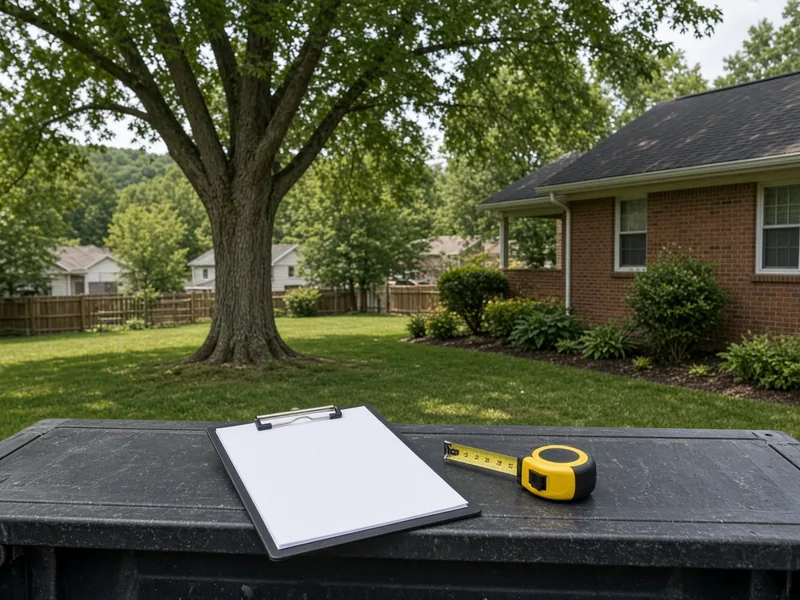
Tell us the address, which tree or trees, and what is under them: a roof, a fence, a driveway, a line. Photos help. We look at the tree and the ground, and send a written quote that lists removal, cleanup, wood and stump grinding separately. Call (270) 936-1600, or use the form.
Get a Tree Removal Quote
Call (270) 936-1600